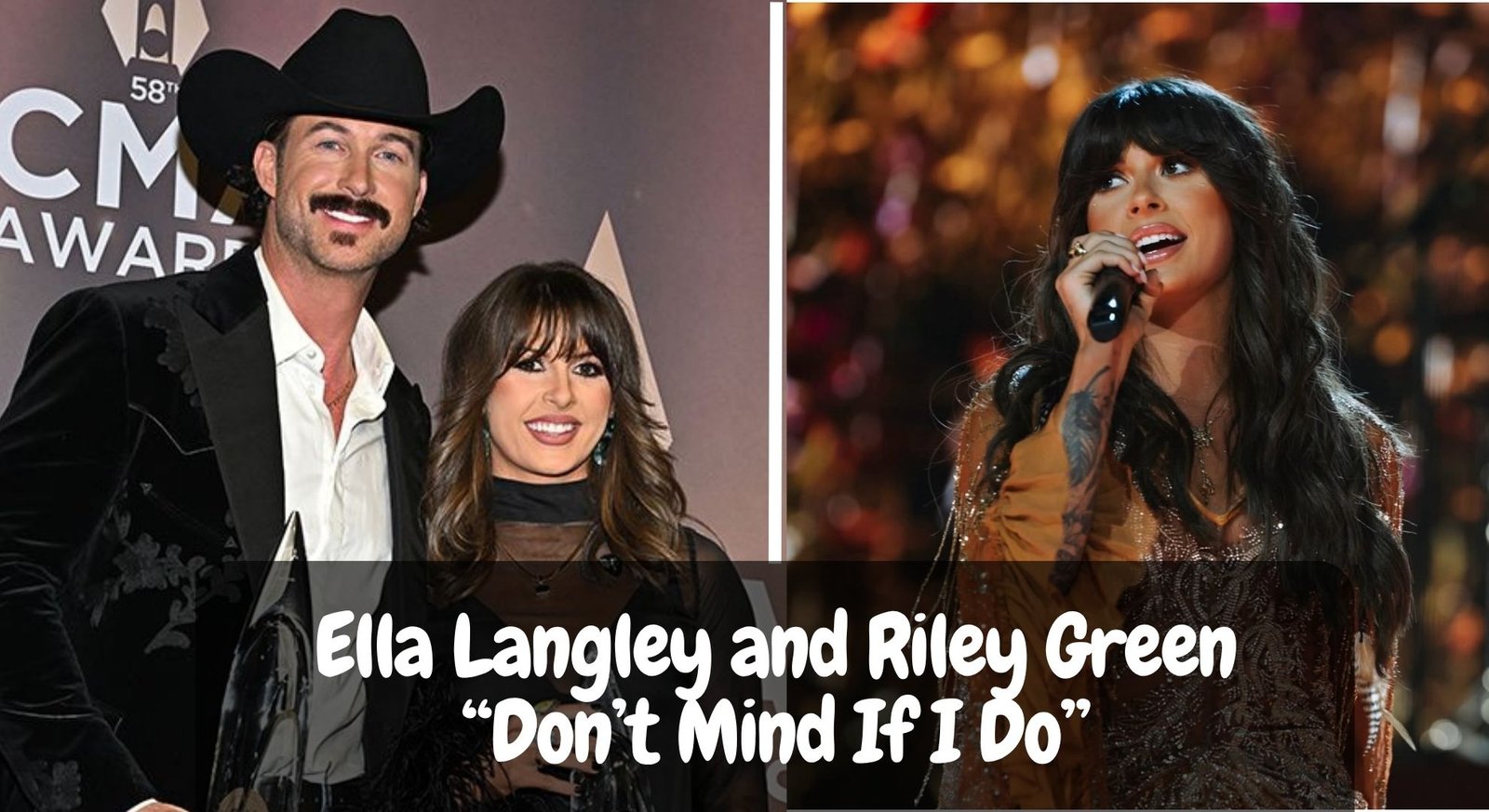
Ella Langley and Riley Green “Don’t Mind If I Do”
I’m Nathalie Valbuena, and I’m a die hard Ella Langley fan. I put this guide together because I kept seeing bits and pieces of the story scattered across interviews, chart writeups, and fan threads. If you love Ella and you want everything you need to know about “Don’t Mind If I Do” in one place, this is it.
This song isn’t just another duet that happened to work. It is a slow-burn heartbreak record with a very specific twist in the writing and the vocal arrangement, plus a chart run that made country radio history.
Quick facts at a glance
|
Song |
“Don’t Mind If I Do” |
|
Artists |
Riley Green and Ella Langley |
|
Release date |
September 6, 2024 |
|
Label |
Big Loud and Mercury Records |
|
Album |
Don’t Mind If I Do (title track) |
|
Writer |
Riley Green (solo write) |
|
Country Airplay peak |
No. 1 (December 2025, chart dated Dec. 20, 2025) |
|
Weekly audience at No. 1 |
29.7 million (week of Dec. 5 to 11, up 14 percent, per Luminate reporting in coverage) |
|
Certification |
RIAA Platinum (as reported in coverage) |
|
Historic note |
Second duo ever to earn multiple collaborative No. 1s on Country Airplay since the chart began in 1990, joining Blake Shelton and Gwen Stefani (as reported in coverage) |
The release and why this track mattered right away
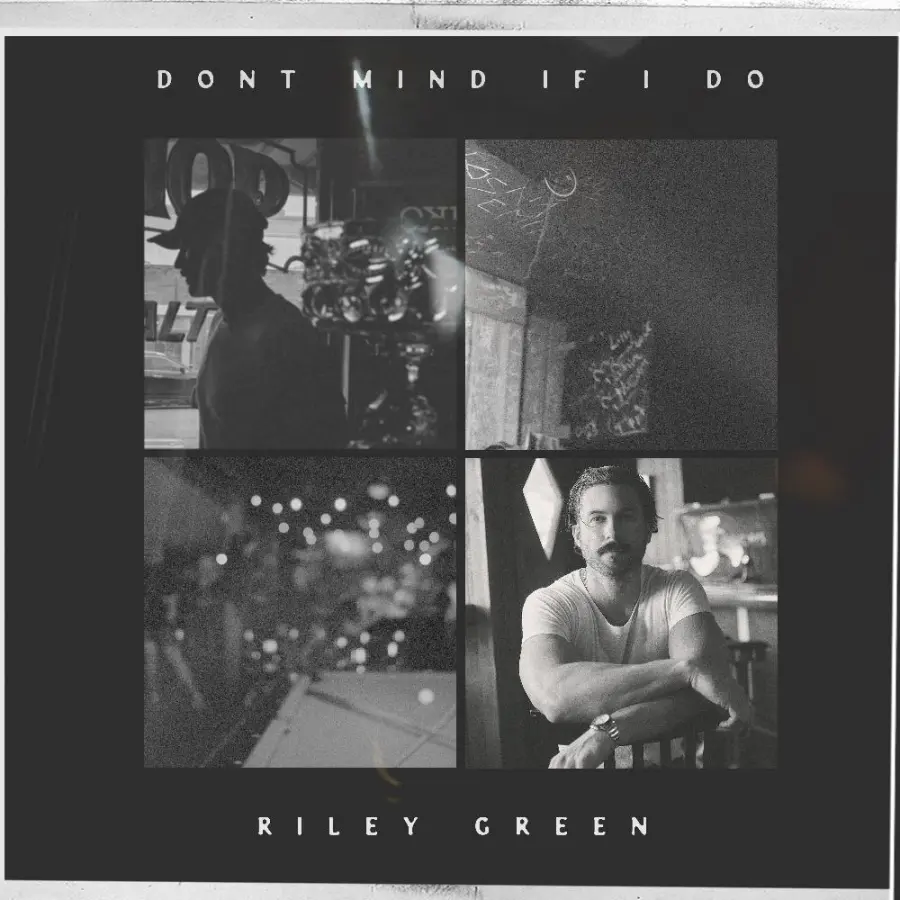
“Don’t Mind If I Do” came out on September 6, 2024 through Big Loud and Mercury Records as the title track of Riley Green’s album Don’t Mind If I Do.
If you followed Riley’s run into this era, you could feel the intention. The title track is not a throwaway. It is built to sit in that classic country space where the vocal has room to breathe and the regret has room to grow.
And then there’s the Ella factor, which I’ll get to, because the best part of this whole story is that she almost was not on it at all.
What “Don’t Mind If I Do” is about
At its core, this is a heartbreak ballad about pretending you are fine when you are absolutely not fine.
The narrator is trying to convince himself he has moved on, but the night proves otherwise. Drinking turns into a kind of permission slip. Memories show up anyway. And the one place he knows he should not go is the exact place he wants to go.
If you have ever had that moment where you tell yourself, “I’m over it,” and then one song, one street, one drink proves you wrong, you already understand the emotional engine of this record.
What makes it land is that it does not rush. It lets the loneliness stretch out.
The detail most people miss: the song flips perspectives at the end
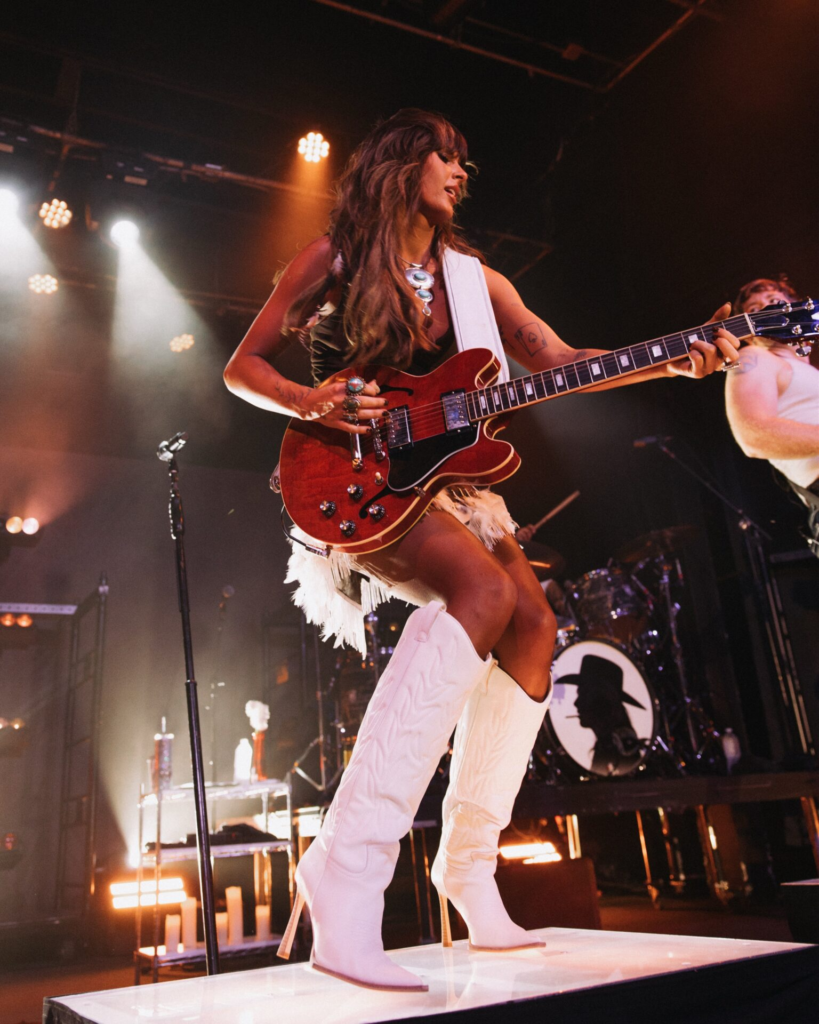
Here’s the part that, as a fan, I think is the real reason this duet punches you in the chest.
For most of the track, Riley Green carries the narrative alone. You sit in his head. You hear the rationalizing, the reminiscing, the slow slide back into missing her.
Then Ella Langley arrives late, and when she does, she changes the entire frame.
Instead of simply harmonizing for texture, her entrance acts like a response. The emotional point of view widens from “his heartbreak” into “their unfinished conversation.” The hook stops feeling like a private confession and starts feeling like a moment between two people who still know exactly how to crack each other open.
That shift is why you can replay the song and hear something new. First listen, you think it is his story. Second listen, you realize it is a two-sided admission.
Sound and production: why it feels so intimate
Even if you do not play instruments, you can feel the arrangement doing a job here.
The track leans on:
- A winding acoustic guitar foundation that keeps it grounded and human
- A gentle, restrained drum pattern that builds without turning the song into a stadium moment
- Steel guitar textures that feel like distance, like the ache behind the words
The “Green Room” writing story (and why it fits the song)
One of the most replayed parts of the song’s history is how it was written.
According to published coverage of the track’s background, Riley Green wrote “Don’t Mind If I Do” backstage in Rogers, Arkansas at the Walmart Amphitheater. The story goes that he wanted quiet, sent friends to the Topgolf next door, sat down with a guitar idea, and the song came together quickly.
I love this detail because it matches the vibe of the lyric. The song feels like something you admit to yourself when nobody else is around. It does not sound like a committee-built radio record. It sounds like a guy alone with a guitar being honest.
Also notable: coverage around this release highlights that Green wrote the song alone, which is genuinely uncommon in modern Nashville where many singles have multiple co-writers.
Why Ella Langley almost was not on the record
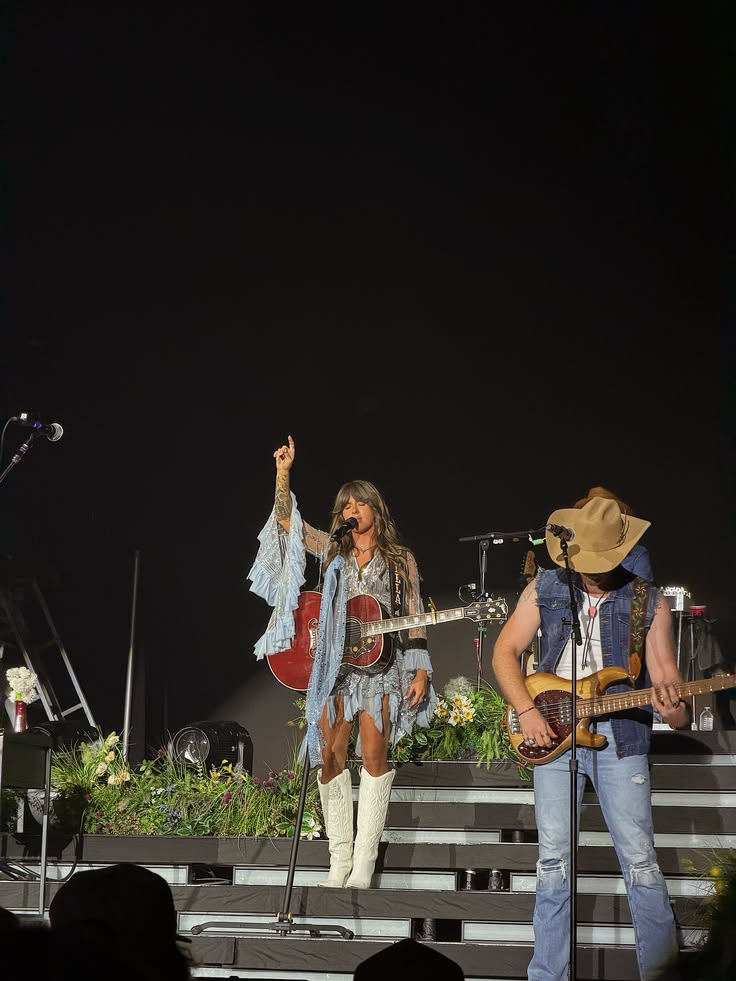
This is the part you tell your friends when you are trying to convert them into caring about the “Don’t Mind If I Do” lore.
As reported in coverage of the song’s origin, Riley Green initially wanted a female vocal recorded as a guide or reference. The plan was not necessarily to make it a featured duet at first. Songwriter Jessi Alexander was a name connected to that early “guide vocal” idea, but when she was unavailable, Green reached out to Ella Langley instead.
Ella showed up and recorded what was supposed to be temporary.
And then it was too good to replace.
Green and his team decided to keep her vocal on the final record because, in their view, no one could do it better. Green later described the collaboration as accidental, while Ella described it as organic, pointing to their shared Alabama roots and similar influences.
From a fan perspective, that makes perfect sense. Their voices lock because they come from the same kind of musical soil. Even if you cannot name the influences, you can hear that they speak the same sonic language.
What the No. 1 run looked like on Country Airplay
“Don’t Mind If I Do” hit No. 1 on Billboard’s Country Airplay chart in December 2025, with published reporting noting a chart dated December 20, 2025.
The specific weekly stat that got reported in coverage is also worth noting because it shows how strong the radio moment was:
- Audience: 29.7 million
- Change: up 14 percent
- Tracking week cited in coverage: December 5 to 11
- Data referenced: Luminate
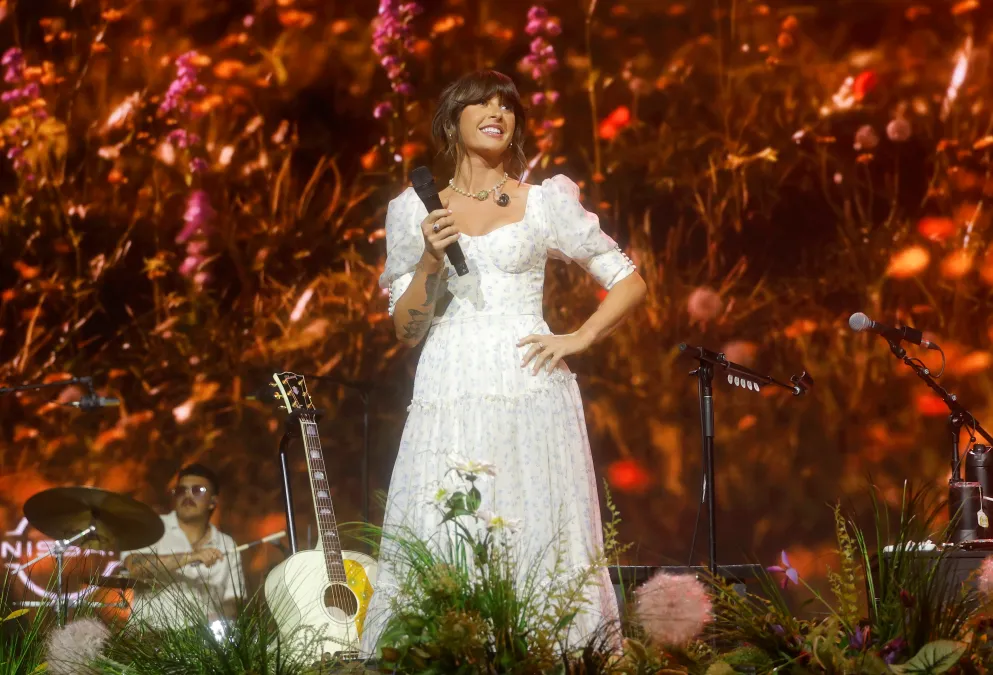
Chart and career milestones (as reported in coverage)
|
Green’s Country Airplay No. 1s |
Fourth |
|
Langley’s Country Airplay No. 1s |
Second |
|
RIAA certification |
Platinum |
|
Historic duo milestone |
Second duo ever with multiple collaborative No. 1s on Country Airplay since 1990 |
The history piece is the headline: only one other duo pairing has achieved multiple collaborative No. 1s on Country Airplay since the chart launched in 1990, according to the coverage cited.
So when fans say this song “proved the first hit wasn’t a fluke,” that is not just hype. The chart history backs up the idea that this pairing is statistically rare.
Why this duet feels different than most “feature” songs
A lot of modern duets are built like this:
- Artist A sings most of the song
- Artist B shows up for a verse
- Harmonies fill out the chorus
- The duet is more branding than storytelling
“Don’t Mind If I Do” works because Ella’s entrance is structural. It changes the meaning in the final stretch. That is a stronger choice than simply stacking two famous names.
And if you are an Ella fan like me, it is also a reminder of something we already know. She does not just “sound good.” She changes the temperature of a song.
How it compares to “You Look Like You Love Me”
If you came into this era through their earlier duet, the contrast is the point.
Their first big moment together, “You Look Like You Love Me,” is widely described as playful and flirty, built around a bold line that caught fire.
“Don’t Mind If I Do” is the grown-up chapter.
Side-by-side comparison
|
Core vibe |
Flirty, fun, forward |
Heartache, slow burn, reflective |
|
Energy |
Punchy, conversational |
Patient, emotional, dramatic tension |
|
Relationship angle |
The start, the chase |
The aftermath, the missing, the honesty |
|
Ella’s role |
Chemistry and spark |
Perspective shift and emotional resolution |
If you are listening as a fan, it feels like watching two actors nail two different genres with the same co-star. The chemistry stays, but the emotion evolves.
Why the Alabama connection actually matters
I usually roll my eyes when press copy leans too hard on “they’re from the same place,” but in this case it is meaningful because you can hear it.
When Ella says their hometowns are only a couple hours apart and they grew up on similar influences, that is not just trivia. It explains why their phrasing and tone sit together without one person having to shrink to fit the other.
If you are someone who listens for accent, cadence, and grit, you can pick up on it immediately.
Listening guide: the moments to pay attention to
If you want to hear why this song works, listen for these specific things:
- How long the track lets Riley live in the story before Ella enters
- The way the instrumentation stays restrained so the vocal can carry the weight
- The emotional “turn” when Ella takes the lead and the hook stops being one-sided
- The steel guitar tones that show up like a memory you did not ask for
Put on headphones once. You will catch little production choices you miss in the car.
Timeline of the “Don’t Mind If I Do” era (simple and useful)
|
Sep. 6, 2024 |
Released via Big Loud and Mercury Records as the album title track |
|
Dec. 2025 |
Reached No. 1 on Country Airplay (chart dated Dec. 20, 2025) |
|
2026 |
Continued visibility for Ella, including major awards coverage and touring mentions in published reporting |
My take as an Ella fan: why this song sticks
I have followed Ella’s rise closely enough to know when something is a “feature” versus a real career moment.
This is a real moment.
Not because it went No. 1, although that obviously matters. It sticks because Ella’s voice is not treated like decoration. She is the turning point of the story. The song is written in a way that needs her.
And when a record needs you, that is when your star power becomes undeniable.
FAQ
Is “Don’t Mind If I Do” a duet or a Riley Green song with a feature?
It is released as Riley Green and Ella Langley, and functionally it behaves like a duet because the final section changes perspective through Ella’s lead.
Was Ella’s vocal really meant to be temporary?
Published reporting says she came in to cut a guide vocal that ended up being kept for the final record because the performance was too strong to replace.
When did it hit No. 1?
It reached No. 1 on Country Airplay in December 2025, with coverage citing the chart dated December 20, 2025, and an audience figure of 29.7 million for the tracking week mentioned.
Why do people call it “historic”?
Because coverage notes the pairing became only the second duo ever to earn multiple collaborative No. 1s on Country Airplay since the chart began in 1990.