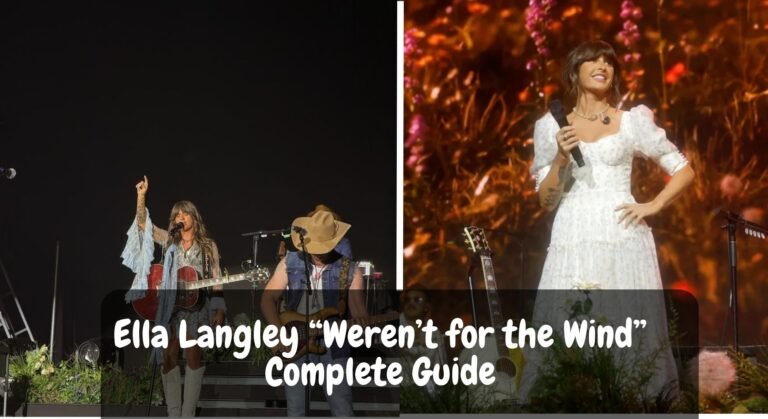

Ella Langley and Miranda Lambert “Butterfly Season” Lyrics Meaning and Story
I made this guide because I kept seeing the same questions pop up after Dandelion dropped, and honestly, I wanted one clean place where you can understand “Butterfly Season” fast, but also feel the depth of it.
If you’re here because the song hit you in the gut, or because you’re trying to figure out what it actually means beyond “springtime vibes,” you’re in the right spot.
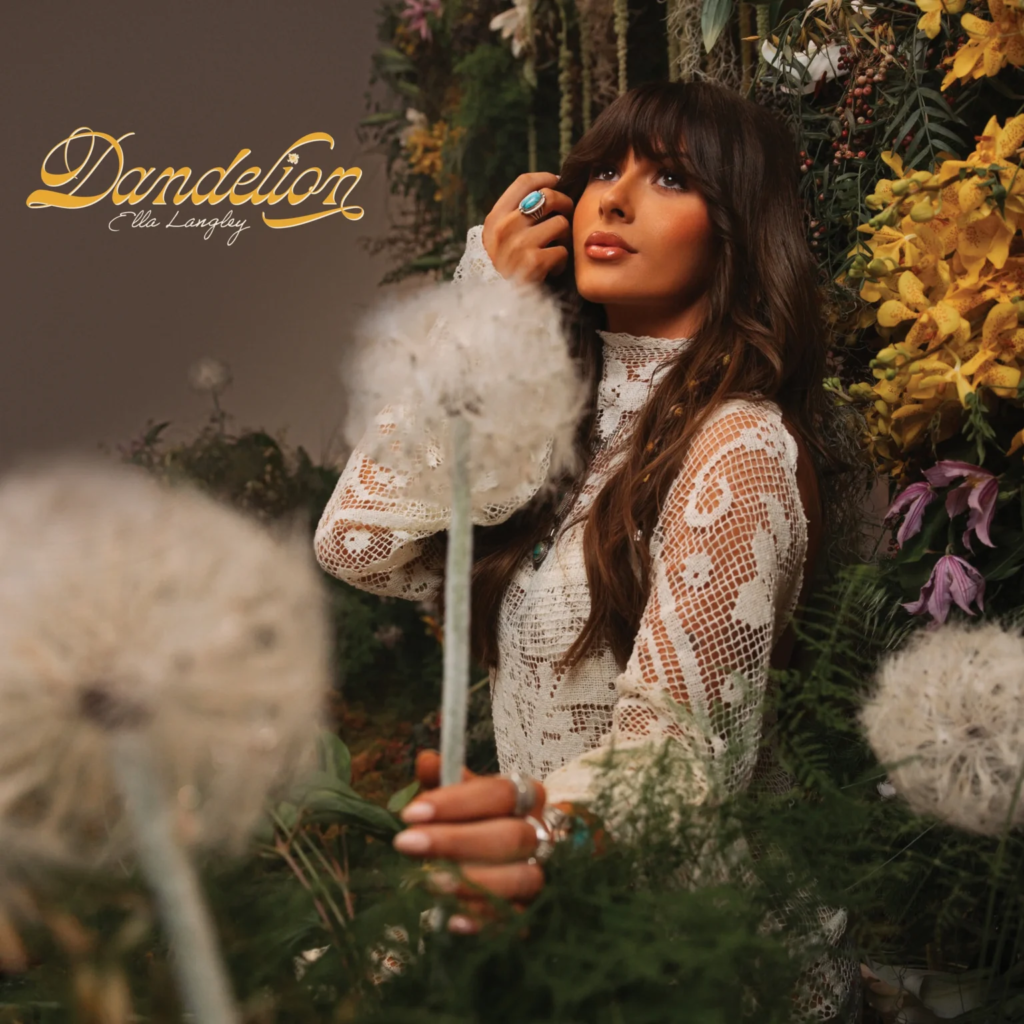
“Butterfly Season” is a duet by Ella Langley and Miranda Lambert from Ella’s sophomore album Dandelion, released April 10, 2026. It’s widely described as the emotional centerpiece of the record, and I completely get why. It’s not a “big chorus, big fireworks” kind of song. It’s the quiet kind of brave.
Quick facts about “Butterfly Season”
|
Song |
Butterfly Season |
|
Artists |
Ella Langley and Miranda Lambert |
|
Album |
Dandelion |
|
Release date |
April 10, 2026 |
|
Track number |
Track 16 of 18 |
|
Writers |
Ella Langley, Miranda Lambert |
|
Producers (album) |
Ella Langley, Miranda Lambert, Ben West |
|
Core themes |
Growth, healing, reinvention, choosing peace |
What “Butterfly Season” is about in plain English
To me, “Butterfly Season” is about choosing the next version of yourself on purpose.
Not the fake “new year, new me” thing. I mean the real kind of change that happens when you’ve been through it. When you finally admit something in your life is costing you too much.
The title does a lot of heavy lifting:
- A butterfly is a symbol of transformation
- A season implies a period of time you live through, not just a moment
- Putting those together makes it feel like a chapter of life where change is unavoidable, and also necessary
And because this is Ella and Miranda together, it doesn’t sound like a motivational poster. It sounds lived in.
Why the spring and nature imagery matters so much
Ella leans into springtime imagery because spring is the universal shorthand for rebirth. But in this song, spring is not just “flowers and sunshine.” It’s more like:
- clearing out what’s dead
- making room for what can actually grow
- trusting that new habits will take root
Here’s how I hear the symbolism working.
The song’s metaphor map
|
Spring |
Starting over, a fresh rhythm, a softer life |
|
Seeds and growth |
New priorities that take time to show results |
|
Cocoon to butterfly |
A protected, private healing stage before you re-emerge |
|
Changing seasons |
Outgrowing old versions of yourself without hating who you were |
And what I love is that the song doesn’t shame the old self. It just says, quietly, I can’t live like that anymore.
The deeper meaning: reinvention after a hard stretch
A lot of listeners connect this song to what Ella has shared publicly about having a difficult stretch in late 2025, including stepping back to focus on her mental health. That context matters, because it changes the way the song lands.
When someone writes about peace after chaos, you can usually tell if they’re imagining it or if they’ve actually fought for it.
This song feels fought for.
It also fits a bigger country music tradition I love: women writing about maturity in a way that’s not about “settling down,” but about settling into yourself.
Why Miranda Lambert is the perfect voice for this song
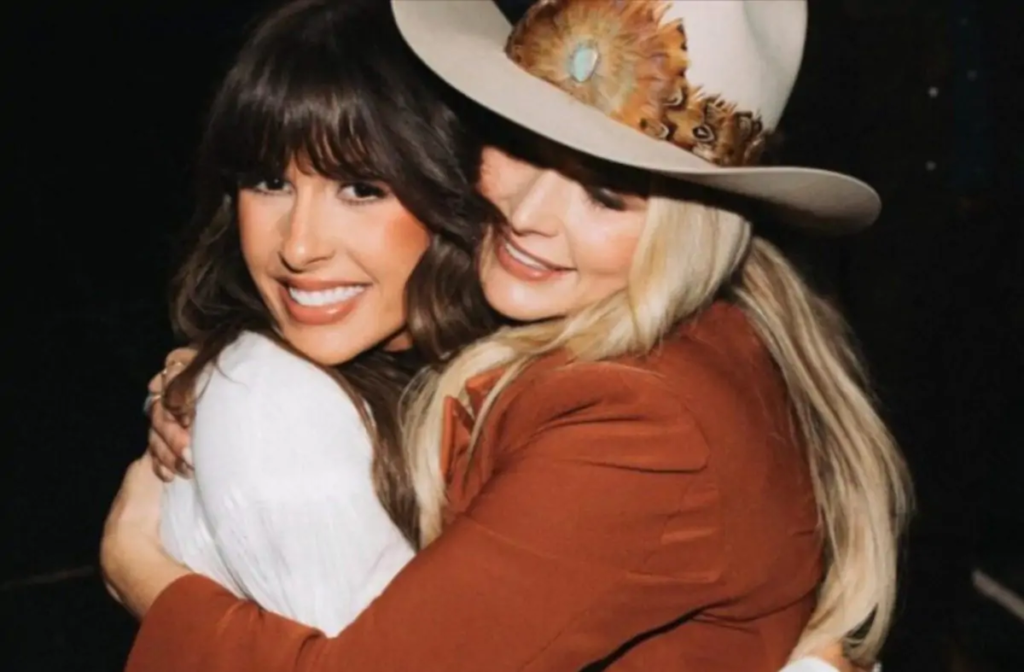
Miranda Lambert isn’t just a feature here. She’s part of the backbone of this era.
Miranda co-produced the entire Dandelion album with Ella and Ben West, and she co-wrote “Butterfly Season” with Ella too. That matters because the duet doesn’t feel like a random streaming boost. It feels like a creative partnership where Miranda is fully invested in Ella’s vision.
And if you’ve followed Ella’s story at all, you know Miranda’s music meant something to her long before they ever worked together. That kind of full-circle moment adds weight you can actually hear in the performance.
What the duet dynamic adds emotionally
When Ella and Miranda sing together, the song becomes bigger than one person’s reinvention. It turns into a conversation between two perspectives:
- Ella sounds like the person actively stepping into the next chapter
- Miranda sounds like the person who’s survived enough to recognize the shift when it’s happening
It’s not “mentor and student” in a cheesy way. It’s more like: I’ve been there, keep going, you’re doing it.
Where “Butterfly Season” sits on Dandelion and why that placement is genius
“Butterfly Season” is track 16 out of 18, which means it comes late, after the album has already moved through other emotional terrain.
That sequencing is not an accident. The song hits harder because you’re already tired in the way the album wants you to be tired. You’ve walked through the storms. Now you’re standing in the quiet after.
I think of it like this:
- early album tracks can be the mess, the defiance, the coping
- late album tracks are where the truth shows up
“Butterfly Season” feels like a resolution song, not because everything is perfect, but because the direction is finally clear.
The sound and production: why it feels “bright but not loud”
Even without getting overly technical, you can hear that the production is designed to match the message.
- It’s warm
- It’s open
- It gives the vocals space
- The harmonies feel like exhaling
When their voices blend, especially later in the song, it creates that specific kind of hope that doesn’t feel naive. It feels earned.
Why critics keep calling it the emotional centerpiece
A lot of commentary around “Butterfly Season” frames it as the heart of Dandelion, and some outlets have compared its reflective tone to songs like Kacey Musgraves’ “Deeper Well”.
I understand the comparison, not because the songs are identical, but because they share a similar emotional posture:
- stepping back
- choosing clarity
- breaking patterns quietly
- letting peace be the flex
That’s not the easiest kind of song to pull off in country music without sounding preachy. Ella and Miranda don’t preach. They testify.
A real-world note: why “butterfly season” is such a powerful phrase
I’m a lyric person, so I went down a little research rabbit hole when I first heard the title.
In nature, butterflies go through metamorphosis in stages. The “in-between” stage is the whole point. It’s private, slow, and not glamorous.
Here’s a simple overview that matches the song emotionally.
|
Caterpillar |
Old habits, old hunger, old identity |
|
Chrysalis |
Isolation, therapy, reflection, regrouping |
|
Emerging butterfly |
New boundaries, new peace, new self |
|
Flight |
Living the change out loud, consistently |
That’s why “Butterfly Season” is such a good title. It suggests this isn’t just one brave day. It’s a whole season of becoming.
My personal take as a fan: why this song sticks with people
I’ve listened to Ella long enough to recognize when she’s writing from a place that’s close to the bone. And this one is.
If you’ve ever had to rebuild yourself after a relationship, burnout, mental health dip, or just a season where you didn’t recognize who you were anymore, this song meets you there. It doesn’t demand a transformation montage. It just says change is happening, and it’s okay to let it.
And if you’re in your own “butterfly season” right now, I want you to hear this clearly:
Listening guide: how to hear the story in one playthrough
If you want to really catch the emotional arc, here’s how I recommend listening:
- Listen once with no distractions, just vocals and lyrics
- Listen again and focus only on when Miranda enters and how the tone shifts
- Listen a third time and pay attention to the harmonies near the end, that’s where the “arrival” feeling lives
FAQs about Ella Langley and Miranda Lambert “Butterfly Season”
Who sings “Butterfly Season” with Ella Langley?
Miranda Lambert. She also co-wrote the song with Ella and co-produced the Dandelion album alongside Ella and Ben West.
What album is “Butterfly Season” on?
It’s on Ella Langley’s sophomore album Dandelion, released April 10, 2026. The song is track 16 of 18.
Did Ella Langley and Miranda Lambert write it together?
Yes. “Butterfly Season” is a co-write between Ella Langley and Miranda Lambert.